South West Water Hosepipe Alert: What Customers Need to Know
The South West Water hosepipe alert has become an important issue for households across large parts of South West England as drought conditions continue to put pressure on water supplies. South West Water has introduced a temporary hosepipe ban covering customers in Devon, Cornwall, parts of Dorset and Somerset, and the Isles of Scilly.
The restriction came into effect at 00:01 on Saturday, August 8, 2026, with the company asking customers to reduce non-essential water use to help protect supplies.
The move follows an exceptionally dry period across England. Government figures show that July was exceptionally dry, while the week ending August 6 marked the seventh consecutive week with less than 10mm of rainfall across England.
For affected households, understanding exactly what the ban means is essential. Here is what customers need to know about the current restrictions, affected areas, permitted uses and the reasons behind the alert.
What Is the South West Water Hosepipe Alert?
The South West Water hosepipe alert refers to temporary restrictions on the use of hosepipes because of continuing pressure on regional water supplies.
South West Water says the current ban applies to all of its customers in Devon, Cornwall, parts of Dorset and Somerset, and the Isles of Scilly. The company introduced the restriction to protect water resources during the current drought conditions.
The restrictions are designed primarily to reduce non-essential water consumption. During periods of extreme heat and limited rainfall, outdoor activities such as watering gardens and filling swimming pools can significantly increase demand.
South West Water is therefore asking customers to make sensible changes while the restrictions remain in place.
When Did the Hosepipe Ban Start?
The latest South West Water hosepipe ban officially came into effect at 00:01 on Saturday, August 8, 2026.
South West Water had announced the restrictions shortly beforehand and asked customers to begin following them immediately in order to help protect water supplies.
The current regional restriction follows earlier, more limited restrictions introduced during July in areas of Devon and Dorset. Those earlier measures reflected exceptionally high local demand, but the August restriction covers a much wider South West Water customer base.
Customers should rely on South West Water’s current guidance rather than older reports about the previous, smaller restriction areas.
Which Areas Are Affected?
The current restriction applies to South West Water customers across Devon and Cornwall, as well as parts of Dorset and Somerset and the Isles of Scilly.
This is significantly broader than the restrictions announced in July.
South West Water’s earlier July announcement specifically identified locations including Tiverton, Cullompton, Bampton, Honiton, South Molton, Dunkeswell, Axminster and Lyme Regis.
Because water restrictions can apply differently depending on the water company and supply area, residents should check South West Water’s official information if they are unsure whether their property is covered.
What Can You Not Do During the Hosepipe Ban?
The restrictions mainly target non-essential outdoor uses of water.
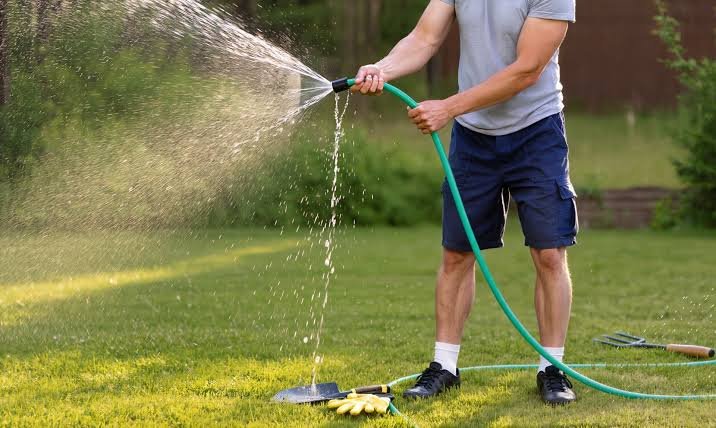
According to South West Water, customers should not use hosepipes for activities including:
- Watering gardens
- Washing cars
- Cleaning patios
- Washing boats
- Filling swimming pools
- Filling paddling pools
The company also advises against using hosepipes for other similar non-essential outdoor activities.
The purpose is not to prevent households from using water normally. Instead, it is intended to reduce unnecessary consumption at a time when supplies are under increased pressure.
What Can You Still Use Water For?
A hosepipe ban does not mean that normal household water use has stopped.
South West Water says customers can continue to use water normally for essential activities including drinking, flushing toilets, washing and cooking.
This distinction is important because some people may assume that the restrictions affect all outdoor or household water use.
The restrictions are specifically focused on activities where customers can reasonably reduce consumption. Essential hygiene, cooking and drinking remain permitted.
Why Has South West Water Introduced the Ban?
The main reason is the continuing lack of rainfall combined with high water demand.
Government drought reports show that England experienced exceptionally dry conditions through July and into August. The government reported that July 2026 was on track to become the driest July on record, while rainfall remained far below normal levels.
By August 11, the UK government said almost three-quarters of England was in drought as conditions worsened following the exceptionally dry July.
South West Water has also reported that river and reservoir levels are lower than normal following the dry summer. The company says it is continuing to monitor water resources closely.
How Can Households Save Water?
Customers can help reduce pressure on the water network by making relatively simple changes.
Instead of using a hosepipe to water plants, households can use a watering can where permitted. Gardeners can also focus on watering plants efficiently and avoid unnecessary outdoor cleaning.
Inside the home, shorter showers, fixing leaking taps and toilets, and avoiding unnecessary running water can all help.
The most useful approach is to think about where water is being wasted rather than simply reducing essential use.
How Long Will the South West Water Hosepipe Alert Last?
There is currently no fixed end date stated for the regional restriction.
South West Water says the temporary ban has been introduced to protect water supplies during the current drought conditions. Its continuation will depend on factors such as rainfall, demand and the condition of local water resources.
This means customers should not assume that the ban will automatically end after a particular number of weeks.
The company will provide updated information as conditions change.
Frequently Asked Questions
What is the South West Water hosepipe alert?
It is a temporary hosepipe ban introduced by South West Water because of drought conditions and pressure on regional water supplies. It currently covers customers in Devon, Cornwall, parts of Dorset and Somerset, and the Isles of Scilly.
When did the South West Water hosepipe ban start?
The current regional ban came into effect at 00:01 on August 8, 2026. Customers were asked to follow the restrictions immediately to help protect water supplies.
Can I water my garden with a hosepipe?
Under the current restrictions, customers should not use hosepipes for watering gardens. A watering can may be used where appropriate, subject to the applicable rules.
Can I wash my car during the hosepipe ban?
You should not use a hosepipe to wash your car while the restriction is in force. The ban specifically includes car washing among the activities affected by the restrictions.
Can I still use water for drinking and cooking?
Yes. South West Water says water can still be used normally for essential activities such as drinking, washing and cooking.
Conclusion
The South West Water hosepipe alert reflects the growing pressure on water supplies following an exceptionally dry summer across England. The current temporary ban, which began on August 8, affects customers across Devon, Cornwall, parts of Dorset and Somerset, and the Isles of Scilly.
For affected households, the most important step is to understand the restrictions and avoid non-essential hosepipe use. Water remains available for essential needs such as drinking, cooking, washing and sanitation.
With drought conditions continuing, the situation could change as rainfall and water-resource levels develop. Customers should therefore check South West Water’s latest official guidance for updates rather than relying on older information.
The current restrictions are a reminder that water supplies can come under significant pressure during prolonged periods of hot, dry weather. Small changes in household water use can help reduce demand while the region waits for conditions to improve.