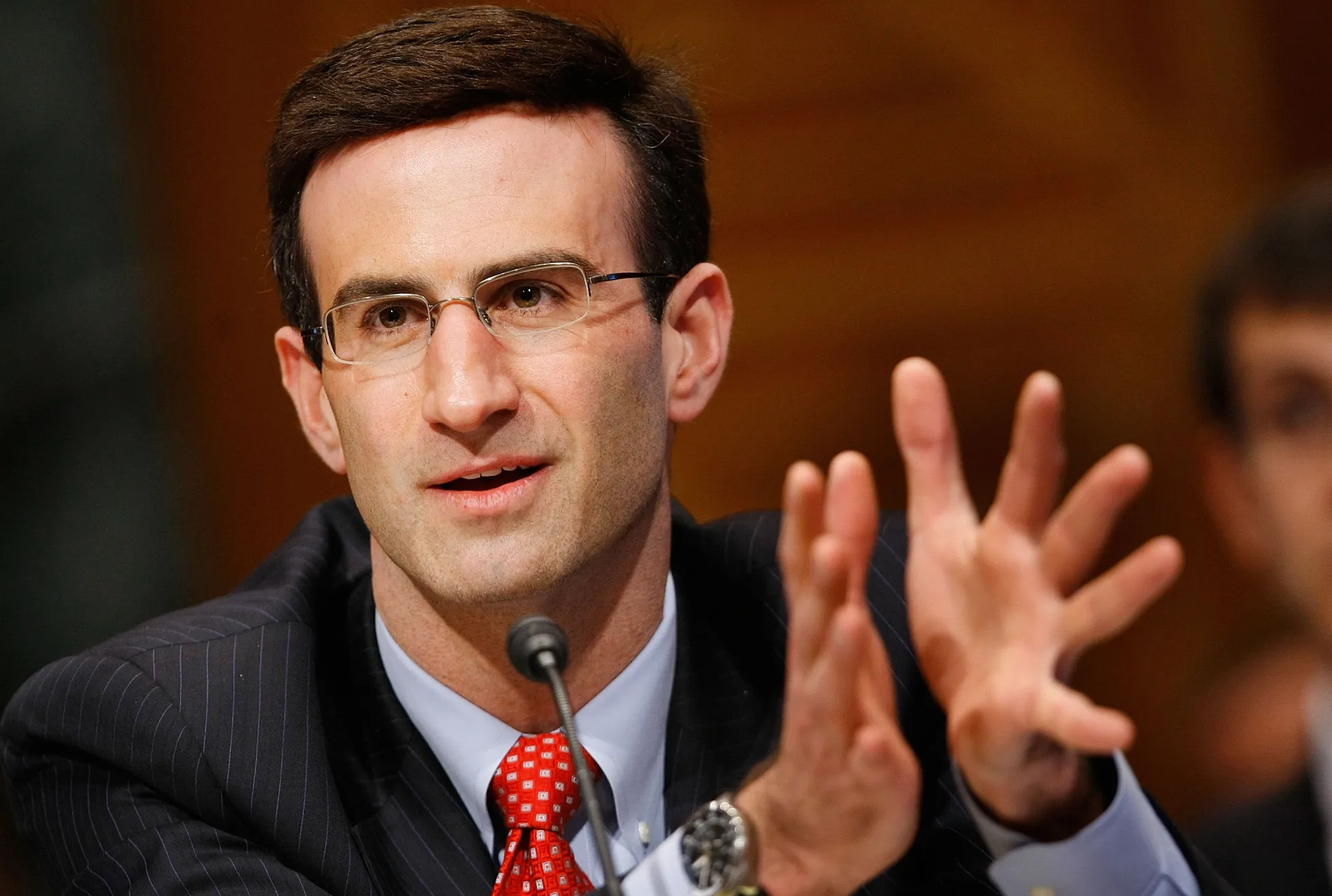
Mitch McConnell’s health has drawn public attention following several visible medical episodes that raised questions about his well-being and ability to continue serving in the United States Senate. His documented history includes a concussion, fractures, and several public incidents in which he appeared to freeze while speaking. Understanding what happened requires separating confirmed medical information from speculation about his current condition.
Why Mitch McConnell’s Health Has Become a Public Concern
Mitch McConnell has spent decades in American politics, including serving as Senate Republican leader from 2007 to 2024. His prominent position made his health a matter of public interest, particularly as questions arose about his physical condition and public appearances.
Unlike private individuals, senior elected officials face scrutiny because their responsibilities can affect national policy and government operations. However, public attention does not mean that every medical detail is available, nor does it justify drawing conclusions from a brief video or public appearance.
The most useful way to understand McConnell’s health is to examine the medical events that were publicly disclosed, the statements made by his representatives, and the limits of what those disclosures establish.
Mitch McConnell’s Medical History: The Major Events
The 2019 Fall and Concussion
One of the most significant documented events in McConnell’s medical history occurred in March 2019. He fell at his home in Louisville, Kentucky, and suffered a shoulder fracture that required surgery.
In August 2019, he experienced another fall at the Capitol. His office subsequently announced that he had suffered a concussion and would be recovering at home. The incident led to questions about his recovery and the physical demands of his Senate responsibilities.
A concussion is a form of traumatic brain injury that can temporarily affect balance, concentration, memory, and other functions. Recovery varies from person to person, and a history of concussion alone does not establish that someone has lasting neurological problems.
There is no sound basis for attributing every later public incident involving McConnell to his 2019 concussion without supporting medical evidence.
The 2023 Fall and Hospitalization
McConnell experienced another major medical episode in March 2023 after falling at a Washington, D.C., hotel during a private dinner event. His office announced that he had suffered a concussion and a minor rib fracture.
He was hospitalized and subsequently underwent inpatient rehabilitation before returning to the Senate in April 2023. His recovery attracted considerable attention because he was a senior political leader with a demanding public schedule.
The hospitalization was a confirmed event, but it should not be confused with proof of an ongoing medical condition. Publicly disclosed information about an injury can explain what happened at the time without establishing the person’s health status years later.
His return to work demonstrated that he resumed his Senate duties after the incident. It did not, by itself, reveal every aspect of his recovery or establish whether he experienced any lasting effects.
The Freezing Episodes That Prompted Questions
What Happened During His Public Appearances?
In July 2023, McConnell appeared to stop speaking and remain briefly unresponsive during a news conference with reporters. The unusual moment prompted questions from journalists and observers.
A similar incident occurred in August 2023, when he appeared to freeze while speaking to reporters in Kentucky. These episodes became widely discussed because they occurred in public and were visible on video.
McConnell’s office provided reassurance following the incidents, and he continued performing his Senate duties. Nevertheless, the moments raised understandable questions about what observers had witnessed.
Did the Episodes Prove He Had a Neurological Disorder?
No. A person appearing to freeze or pause while speaking does not, on its own, establish a specific diagnosis.
Several medical explanations can potentially cause changes in speech, responsiveness, or movement. Determining the actual cause requires appropriate clinical evaluation, relevant medical history, and information that cannot reliably be obtained from a video alone.
The public episodes therefore need to be considered separately from confirmed diagnoses. Without a verified medical statement identifying the cause, it would be inaccurate to claim that McConnell had a particular neurological disorder because of those appearances.
This distinction is especially important when discussing a public figure’s health. Observation can establish that an unusual moment occurred, but it cannot independently establish the underlying medical explanation.
What Is Known About His Current Health?
The question of Mitch McConnell’s current health is different from the question of his past medical history.
His publicly documented injuries include the 2019 shoulder fracture and concussion, as well as the concussion and minor rib fracture reported after his 2023 fall. His public speaking episodes in 2023 also generated concern, but they should not automatically be treated as evidence of a confirmed diagnosis.
McConnell announced in February 2025 that he would not seek reelection to the Senate in 2026. That decision marked a significant development in his political career, but it should not be interpreted as proof that a specific health problem caused his decision.
As of October 2026, claims about his precise medical condition should be assessed against the most recent credible public disclosures. Historical incidents cannot, on their own, establish his present symptoms, treatment, prognosis, or overall fitness.
Without a current, reliable medical disclosure, readers should be cautious about online claims that present a specific diagnosis or prognosis as established fact.
How His Health Has Intersected With His Political Career
McConnell’s medical history has attracted attention partly because of the influence he held in the Senate. As Republican leader, he played a central role in shaping his party’s legislative strategy, judicial confirmations, and negotiations with political opponents.
His decision to step down from the Republican leadership in 2024 changed his role in the Senate. He remained a senator, however, and the leadership transition should not be confused with a medical retirement.
His announcement that he would not seek another Senate term also raised questions about the next chapter of his public life. Yet political decisions can involve many considerations, including personal priorities, institutional responsibilities, and long-term career planning.
Unless McConnell or an authorized representative explicitly connects a decision to a particular medical issue, attributing that decision to his health would go beyond the available evidence.
Separating Verified Information From Online Rumors
Interest in McConnell’s health has generated speculation across social media and political discussions. Some commentary treats his visible pauses as proof of a serious neurological condition, while other claims suggest a more specific diagnosis without publicly verifiable evidence.
Such conclusions should be approached carefully. A clip may show an unusual moment, but it rarely provides enough context to explain what happened medically.
The distinction between a confirmed event and an unverified interpretation matters. His falls, injuries, hospitalization, and public speaking episodes were reported or acknowledged publicly. A diagnosis inferred from those events is a separate claim that requires its own evidence.
Readers should also distinguish historical reporting from current information. A medical event from 2023 cannot establish what someone’s health is like in 2026. Reliable updates, clear attribution, and careful wording are essential when the available information is incomplete.
What His Medical History Does—and Does Not—Tell Us
McConnell’s record shows that he experienced several significant physical incidents while serving in public office. It also shows that his health became a recurring subject of public discussion after the 2023 appearances.
What it does not provide is a complete picture of his private medical records. Those records would be needed, alongside appropriate clinical assessment, to establish details that have not been publicly disclosed.
His age, past injuries, or appearance in a video should not be used as substitutes for a medical evaluation. Nor should the absence of a public diagnosis be treated as proof that no medical issue exists.
The responsible approach is to acknowledge what has been confirmed while avoiding conclusions that the available evidence cannot support.
Conclusion
Mitch McConnell’s health has attracted attention because of his documented falls, concussions, fractures, and unusual public speaking episodes. These events explain why questions have arisen, but they do not independently establish a specific ongoing illness.
The key distinction is between his confirmed medical history and assumptions about his present condition. Unless supported by reliable, current disclosures, claims about a particular diagnosis, prognosis, or the medical reasons behind his political decisions should remain unconfirmed.