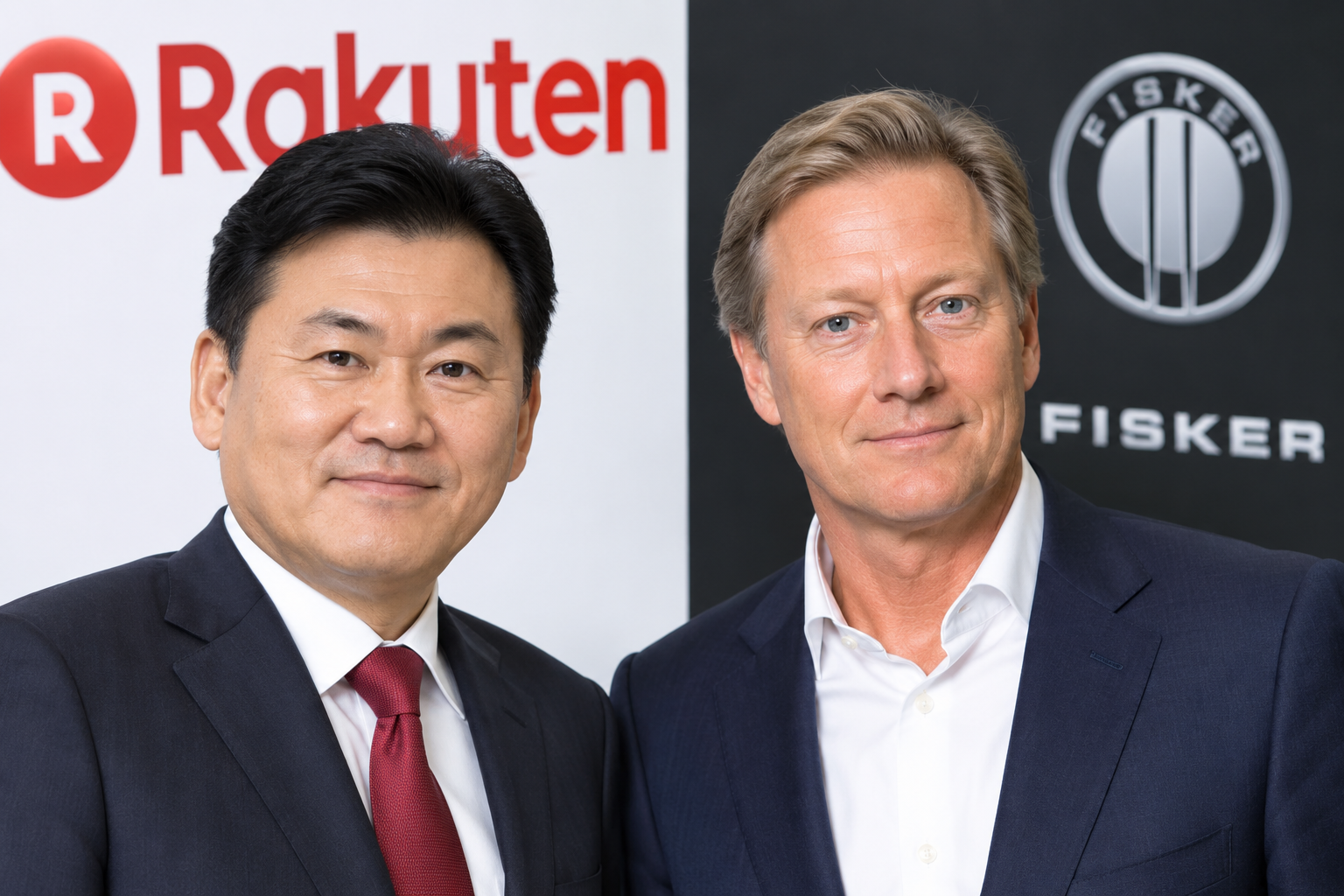
Hiroshi Mikitani and Henrik Fisker are internationally recognized entrepreneurs who built their careers in very different industries. Mikitani is best known for founding Rakuten and developing it into a broad technology ecosystem, while Fisker became famous through automotive design before moving into electric-vehicle entrepreneurship. Their careers offer an interesting comparison of business strategy, creativity, innovation, and the challenges of turning ambitious ideas into successful companies.
Who Is Hiroshi Mikitani?
Hiroshi Mikitani is a Japanese entrepreneur and the founder of Rakuten. Born in Kobe, Japan, in 1965, he studied at Hitotsubashi University and later earned an MBA from Harvard Business School.
Before becoming an entrepreneur, Mikitani worked in banking. In 1997, he founded Rakuten, initially focusing on online commerce. The company eventually expanded far beyond e-commerce into financial services, digital content, communications, and other technology businesses.
His career demonstrates how a relatively focused online business can develop into a large ecosystem when different services are connected around customers and technology.
Rakuten’s Expansion
Rakuten’s growth has involved several major areas:
- E-commerce
- Banking and financial services
- Credit cards
- Digital content
- Mobile communications
- Online services
- Sports and entertainment
Mikitani’s role has therefore evolved from startup founder to long-term corporate leader. His business career is closely connected with Rakuten’s continuing transformation.
Who Is Henrik Fisker?
Henrik Fisker is a Danish automotive designer and entrepreneur. Born in 1963, Fisker studied transportation design before beginning a career in the automotive industry.
He became internationally recognized through his work with major automobile manufacturers, particularly BMW and Aston Martin. His professional design portfolio includes vehicles such as the BMW Z8 and Aston Martin V8 Vantage and DB9.
Unlike Mikitani, whose reputation developed primarily through technology and business strategy, Fisker’s public identity was initially built around automotive design and product creativity.
Henrik Fisker’s Move Into Electric Vehicles
Fisker’s career eventually moved from designing vehicles to creating automotive companies.
He became associated with Fisker Automotive, which produced the Fisker Karma, a plug-in hybrid luxury vehicle. Later, he co-founded Fisker Inc., which focused heavily on electric vehicles.
The company developed the Fisker Ocean electric SUV, but the business faced significant financial and operational difficulties. Fisker Inc. entered Chapter 11 bankruptcy proceedings in 2024.
This part of Fisker’s career demonstrates the difference between designing an innovative vehicle and building a sustainable automobile manufacturing business. Vehicle production requires substantial investment in engineering, factories, suppliers, logistics, software, regulatory compliance, and customer support.
Are Hiroshi Mikitani and Henrik Fisker Connected?
There is no prominent documented business partnership between Hiroshi Mikitani and Henrik Fisker. Their names are better understood as a comparison between two entrepreneurs working in very different industries.
Mikitani’s career is centered on technology, e-commerce, fintech, and communications. Fisker’s career is centered on automotive design, mobility, and electric vehicles.
Their shared appearance in discussions or searches does not itself establish a personal relationship, investment, or collaboration.
The more interesting connection is their approach to innovation. Both have attempted to turn ambitious ideas into businesses operating on an international scale.
Hiroshi Mikitani and Henrik Fisker Compared
| Area | Hiroshi Mikitani | Henrik Fisker |
|---|---|---|
| Main Industry | Technology and digital services | Automotive and mobility |
| Best Known For | Founding Rakuten | Automotive design and EV ventures |
| Major Company | Rakuten Group | Fisker Automotive / Fisker Inc. |
| Primary Strength | Business strategy and ecosystem building | Design and product vision |
| Education | Hitotsubashi University, Harvard Business School | ArtCenter College of Design |
| Innovation Focus | Digital platforms and services | Vehicle design and electrification |
| Entrepreneurial Path | Technology founder | Designer turned entrepreneur |
| Major Challenge | Managing a diversified ecosystem | Scaling automotive production |
Different Approaches to Innovation
The careers of Hiroshi Mikitani and Henrik Fisker show that innovation does not follow one standard formula.
Mikitani’s approach has been strongly connected with business ecosystems. Rakuten expanded from an online marketplace into several connected services. The strategy allowed the company to build relationships with customers across different areas of their digital lives.
Fisker’s approach has traditionally been more product-focused. Automotive design begins with the physical product, but successful vehicle companies must eventually combine design with engineering, manufacturing, software, finance, and distribution.
This makes their careers useful examples of two very different forms of entrepreneurship.
The Importance of Scalability
Scalability is essential for both technology and automotive companies, but the process looks very different.
A digital platform can often add users through software infrastructure, cloud systems, automation, and additional computing capacity. A vehicle manufacturer has to increase physical production while coordinating suppliers, factories, transportation, inventory, testing, and regulatory requirements.
Mikitani’s career illustrates the complexity of scaling a digital ecosystem. Fisker’s experience demonstrates how difficult it can be to scale an innovative physical product into a sustainable manufacturing operation.
Business Risk and Execution
Having a strong idea is only the beginning. Entrepreneurs also need capital, experienced teams, reliable systems, and effective execution.
Rakuten’s long-term development required Mikitani to manage different businesses under one corporate structure. Fisker’s ventures faced the much more capital-intensive challenge of developing and manufacturing vehicles.
Both examples show why innovation must eventually be supported by practical business infrastructure.
What Makes Their Careers Interesting?
Hiroshi Mikitani and Henrik Fisker are interesting because their careers combine creativity with entrepreneurship.
Mikitani transformed his experience in finance and business into a technology company that expanded across multiple industries. His story is largely about long-term organizational growth, diversification, and building a connected business ecosystem.
Fisker established his reputation through design before attempting to turn that creative identity into automotive businesses. His story highlights the opportunities and difficulties involved when a designer becomes a company founder.
Neither career can be understood through a single achievement. Both include periods of growth, major ambitions, challenges, and professional reinvention.
Frequently Asked Questions
Who is Hiroshi Mikitani?
Hiroshi Mikitani is a Japanese entrepreneur best known as the founder of Rakuten. He established Rakuten in 1997 and helped develop it from an online marketplace into a diversified technology group.
Who is Henrik Fisker?
Henrik Fisker is a Danish automotive designer and entrepreneur. He became known for designing vehicles for BMW and Aston Martin before launching his own automotive ventures and working on electric vehicles.
Are Hiroshi Mikitani and Henrik Fisker business partners?
There is no prominent documented partnership between the two. Their careers are primarily associated with separate companies and industries.
What is Hiroshi Mikitani famous for?
Mikitani is primarily famous for founding Rakuten and expanding it into areas including e-commerce, financial services, digital businesses, and communications.
What happened to Fisker Inc.?
Fisker Inc., the electric-vehicle company co-founded by Henrik Fisker, entered Chapter 11 bankruptcy proceedings in 2024 following substantial financial and operational difficulties.
Conclusion
Hiroshi Mikitani and Henrik Fisker represent two distinctive paths through modern entrepreneurship. Mikitani built a technology ecosystem around Rakuten, while Fisker moved from internationally recognized automotive design into electric-vehicle entrepreneurship. Their careers demonstrate that innovation can come from different backgrounds, but turning an ambitious idea into a lasting business requires strategy, investment, execution, and the ability to adapt.