Hangzhou is one of China’s most beautiful destinations. Its peaceful lakes, historic temples and green tea plantations create a memorable atmosphere. Located in eastern China, this fascinating city offers a refreshing contrast to the busy streets of Shanghai. Whether you enjoy nature, history, shopping or traditional Chinese food, Hangzhou has plenty to offer. This Hangzhou travel guide introduces the city’s most interesting attractions and explains how to plan a comfortable visit. German travellers will also find practical information about transport, seasonal weather, accommodation and entry requirements. From the famous West Lake to quiet mountain villages, Hangzhou deserves more than a quick stop.
Why Should You Visit Hangzhou?
Hangzhou combines traditional Chinese culture with modern city life. It is the capital of Zhejiang Province and has a long history as an important cultural and commercial centre. Today, visitors appreciate its beautiful landscapes, historic buildings and relaxed atmosphere.
Unlike China’s busiest metropolitan areas, Hangzhou offers plenty of peaceful places to explore. You can spend the morning beside a lake, visit an ancient temple in the afternoon and enjoy a traditional dinner later. Its combination of nature and culture makes the city particularly attractive for international travellers.
Best Time to Visit Hangzhou
Choosing the right season can make your journey much more enjoyable. Spring and autumn are generally the most comfortable periods for exploring the city. Temperatures are pleasant and outdoor attractions become especially inviting.
Spring usually brings fresh greenery, colourful flowers and beautiful tea plantations. Autumn offers cooler temperatures and attractive colours around the hills. Summer can become extremely hot and humid, while winter is quieter but sometimes damp and chilly. German visitors accustomed to cooler European weather should prepare accordingly.
Hangzhou During Spring and Autumn
Spring, particularly March to May, is wonderful for walking around West Lake. Tea-growing villages also become more interesting during the harvest season. Autumn, from September to November, provides another excellent opportunity to explore the surrounding countryside.
September and October are popular travel months. However, China’s National Day holiday in early October attracts large domestic crowds. Booking accommodation early can help you avoid expensive last-minute arrangements.
West Lake: The Most Famous Attraction in Hangzhou
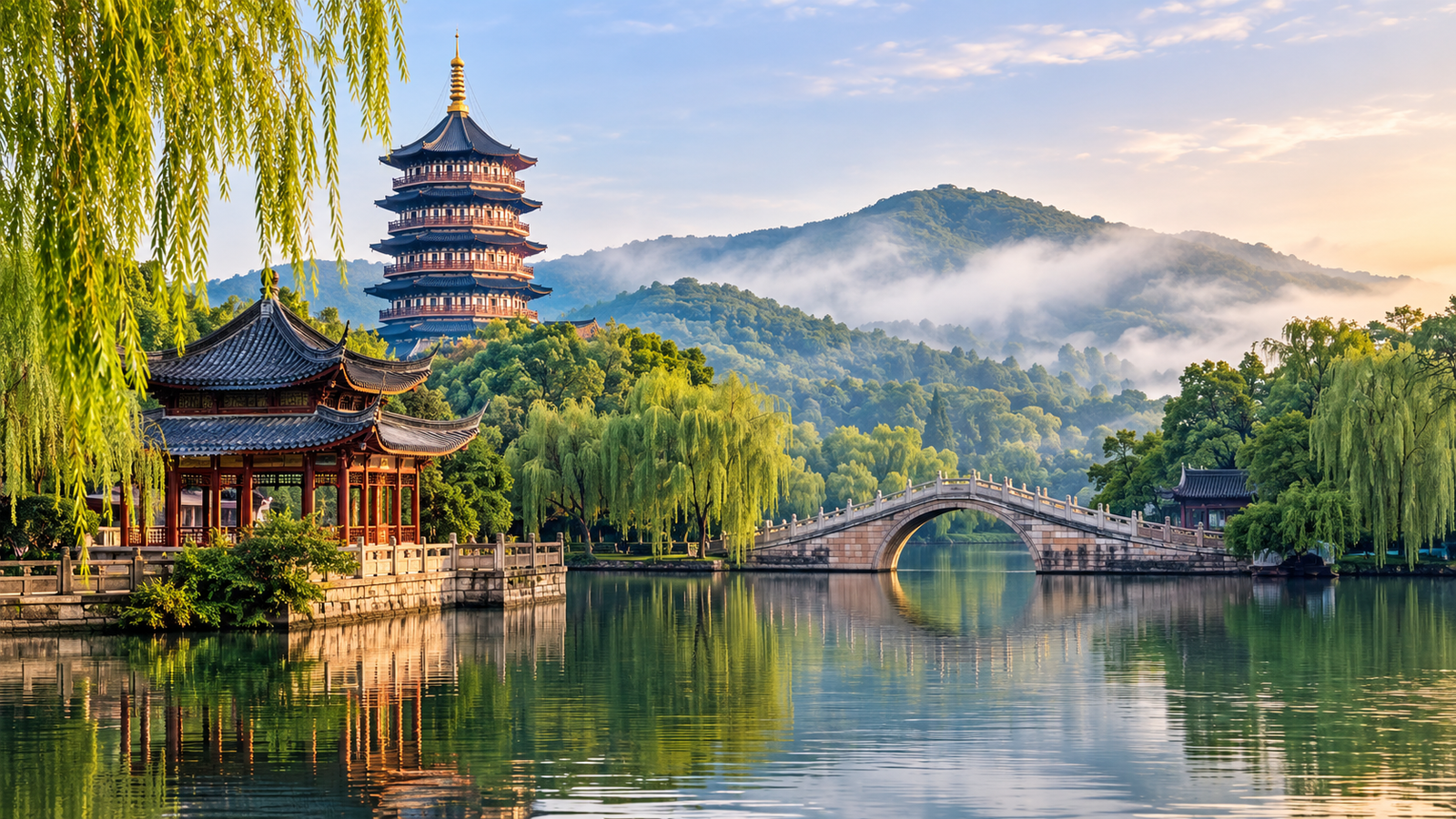
West Lake is the heart of Hangzhou’s tourism scene. Its peaceful water, traditional bridges, gardens and surrounding hills create a landscape that has inspired Chinese artists for centuries. The lake received UNESCO World Heritage recognition in 2011.
You can explore its surroundings on foot, rent a bicycle or enjoy a traditional boat journey. Each option offers a different perspective. Early mornings are particularly beautiful because the water often looks calm and the surrounding scenery feels wonderfully peaceful.
What Can You See Around West Lake?
The Broken Bridge is one of the lake’s most recognisable landmarks. Bai Causeway provides another attractive walking route with trees and scenic views. Leifeng Pagoda is also worth visiting because it offers impressive views across the surrounding landscape.
A boat trip allows visitors to experience the lake from the water. You can also explore its gardens and small islands. Rather than rushing between attractions, spend several hours enjoying the scenery.
Lingyin Temple and Hangzhou’s Spiritual Heritage
Lingyin Temple is among the city’s most important religious landmarks. Surrounded by forested hills, this historic Buddhist complex offers a peaceful escape from urban activity. Its architecture, religious artwork and traditional atmosphere attract visitors throughout the year.
The nearby Feilai Feng area is equally fascinating. Its stone carvings and Buddhist sculptures reveal centuries of artistic craftsmanship. Visitors interested in Chinese history can learn much about religious traditions through these remarkable monuments.
What Makes Lingyin Temple Special?
The temple contains impressive halls, traditional decorations and religious statues. Its surroundings also provide opportunities to appreciate the natural beauty of Hangzhou’s western hills.
Visitors should dress respectfully and follow local photography rules. Entry arrangements and reservation requirements can change, so check official visitor information before travelling. The temple’s official information currently lists public visiting hours beginning at 7 am.
Longjing Tea Villages and Traditional Chinese Tea Culture
Hangzhou is famous for Longjing tea, also called Dragon Well tea. This celebrated green tea comes from the surrounding hills and has an important place in Chinese food culture. Its delicate flavour and traditional production methods attract tea enthusiasts worldwide.
Longjing Village is an excellent destination for experiencing this heritage. You can walk through tea plantations, visit local tea houses and learn about traditional preparation methods. The surrounding countryside also provides beautiful photography opportunities.
Why Is Longjing Tea So Famous?
Longjing tea is appreciated for its fresh aroma, gentle flavour and distinctive appearance. Traditional production involves carefully processing the leaves to preserve their character. Spring is particularly interesting because fresh tea harvesting takes place during this period.
For German visitors, a tea-tasting experience offers something different from the usual European café culture. You can discover how water temperature, preparation techniques and leaf quality influence the final flavour.
Hefang Street: Shopping, Food and Traditional Architecture
Hefang Street is one of Hangzhou’s most interesting historic shopping areas. Its traditional buildings, small shops and food stalls create an atmosphere that connects modern visitors with the city’s commercial past.
Walking through the street is an enjoyable way to experience local culture. You can browse traditional handicrafts, purchase tea and discover regional snacks. Evening visits are especially attractive because illuminated shopfronts create a lively atmosphere.
What Should You Buy in Hefang Street?
Longjing tea is one of the most popular souvenirs. Traditional Chinese crafts, decorative items and locally produced snacks are also worth exploring. However, compare prices before purchasing expensive products.
If you want authentic souvenirs, pay attention to product descriptions and packaging. Reputable shops can provide better information about the origin and quality of their goods.
Traditional Hangzhou Food You Should Try
Food is an essential part of the city’s cultural identity. Hangzhou cuisine belongs to the broader Zhejiang culinary tradition. It often emphasises fresh ingredients, balanced flavours and careful preparation rather than excessive spice.
One famous dish is Dongpo pork. It features slowly braised pork with a rich, savoury flavour. West Lake vinegar fish is another traditional speciality, while Longjing shrimp combines fresh shrimp with the city’s celebrated green tea.
Exploring Local Restaurants and Street Food
Local restaurants offer opportunities to discover traditional recipes and regional cooking methods. Hefang Street is useful for sampling smaller dishes and snacks. You can also explore neighbourhood restaurants away from the busiest tourist areas.
German travellers should remember that restaurant menus may not always include English translations. Keeping pictures of desired dishes can make ordering easier. If you have dietary restrictions, prepare a translated explanation before visiting.
How to Reach Hangzhou from Germany
Reaching Hangzhou usually involves an international flight connection. Hangzhou Xiaoshan International Airport serves the city and provides access to domestic and selected international destinations. Depending on your departure airport, you may travel through another major Asian or Chinese city.
Another convenient option is arriving through Shanghai. High-speed trains connect Shanghai Hongqiao with Hangzhou East, making the journey relatively straightforward. The rail connection is particularly useful if you want to combine both destinations during one holiday.
Getting Around Hangzhou
Hangzhou has an extensive public transport network, including metro services and buses. The metro is useful for reaching major commercial districts and railway stations. Taxis and ride-hailing services can help when attractions are farther from metro stations.
Foreign visitors should prepare their payment arrangements before arrival. Alipay and WeChat Pay are widely used across China. International visitors can explore the available foreign-card linking options before travelling. Having a backup payment method is sensible.
Where to Stay in Hangzhou
Choosing the right accommodation depends on your travel style. Visitors interested in sightseeing often prefer hotels around the West Lake area. This location provides convenient access to restaurants, shopping streets and popular attractions.
Business District accommodation can suit travellers who prefer modern hotels and transport connections. Meanwhile, quieter properties around the western hills provide a more relaxing environment. Families may prefer larger rooms and accommodation with convenient transport access.
Before confirming a booking, check whether the property accepts foreign guests. Also review its location, cancellation policy and available payment methods.
Important Travel Tips for German Visitors
Travelling in China requires a little preparation, especially for first-time visitors. German passport holders should check the latest Chinese entry requirements before departure. According to Germany’s Federal Foreign Office, German citizens can enter China without a visa for qualifying tourist visits of up to 30 days until 31 December 2026. This policy remains subject to its conditions and future changes.
Travellers staying in private accommodation must also follow the relevant local registration requirements. Hotels generally handle guest registration. Always check the latest official guidance before booking flights because entry policies can change.
Internet access also deserves attention. Several familiar Western services may not work normally in mainland China. Download essential travel information and arrange suitable mobile connectivity before departure. Translation applications and offline maps can make everyday communication much easier.
How Many Days Do You Need in Hangzhou?
Two or three full days provide a comfortable introduction to the city. This gives you enough time to explore West Lake, visit Lingyin Temple and experience traditional tea culture. You can also enjoy local restaurants without constantly watching the clock.
Travellers with additional time can explore the Grand Canal, Xixi National Wetland Park and surrounding countryside. These places offer a different perspective on Hangzhou beyond its most famous landmarks. A longer stay also allows you to discover neighbourhood cafés and traditional markets.
Conclusion: Is Hangzhou Worth Visiting?
Hangzhou offers a wonderful combination of natural beauty, cultural heritage and modern convenience. Its peaceful lake, ancient temples, traditional tea villages and regional cuisine create a rewarding travel experience. The city also provides an appealing alternative to China’s larger metropolitan destinations.
For German travellers, careful preparation makes the journey easier. Check entry requirements, organise digital payments and choose your travel season wisely. Whether you spend two days exploring famous landmarks or several days discovering quieter neighbourhoods, Hangzhou has something memorable to offer. It is a destination where history, nature and everyday Chinese life come together beautifully.