Introduction
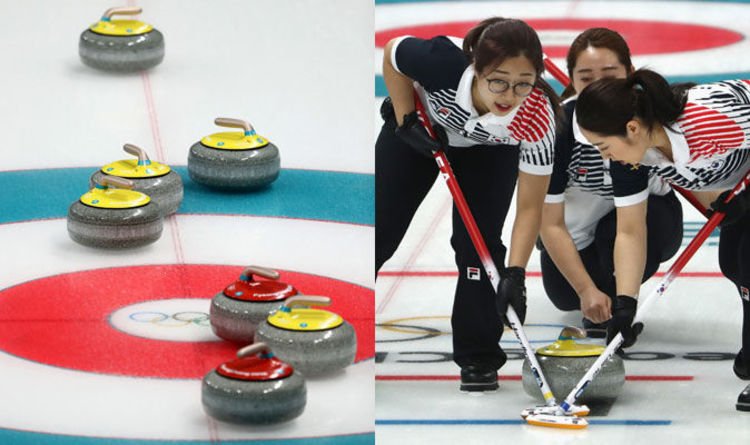
If you’ve ever watched Olympic curling, you’ve probably noticed players frantically sweeping the ice in front of a moving stone. It often looks like they’re simply clearing the path, but there’s much more science behind the action. Many viewers ask, how do brushes affect the stone’s path in Olympic curling, and the answer involves physics, teamwork, and years of practice.
Sweeping is one of the most strategic parts of curling. A well-timed sweep can help a stone travel farther, reduce its curl, or improve its chances of reaching the perfect position. In this guide, you’ll discover how brushing works, why elite curlers spend so much time sweeping, and how modern research has changed the understanding of this fascinating Olympic sport.
Overview of How Do Brushes Affect the Stone’s Path in Olympic Curling
Curling is played on a sheet of carefully prepared ice using polished granite stones weighing about 44 pounds (20 kilograms). Each team attempts to place its stones as close as possible to the center of the target, known as the house.
One of the most frequently asked questions is how do brushes affect the stone’s path in Olympic curling. The simple answer is that sweeping changes the interaction between the stone and the ice. Rather than pushing the stone directly, players influence its movement by altering the ice surface immediately in front of it.
Modern curling brushes are made with specially designed synthetic fabrics that maximize effectiveness while complying with strict competition rules.
The Science Behind Sweeping
Sweeping generates friction between the brush head and the ice. This friction slightly warms the surface, creating an extremely thin layer of moisture.
Although the temperature change is tiny, it significantly reduces friction between the curling stone and the ice. As a result, the stone loses less speed and continues traveling farther.
Scientists studying Olympic curling have shown that sweeping can increase a stone’s travel distance by several feet. While this may not sound dramatic, even a few inches can determine the outcome of an Olympic match.
How Sweeping Changes the Stone’s Speed
The primary effect of brushing is maintaining speed.
Without sweeping, the stone gradually slows as it travels across the pebbled ice surface. When players sweep aggressively, they reduce resistance, allowing the stone to retain more momentum.
This gives players greater control over shots such as:
- Draw shots
- Guards
- Takeouts
- Freeze shots
- Raise shots
Elite teams constantly communicate to decide exactly when sweeping is needed and when to stop.
How Brushes Affect Curl
Another important reason people ask how do brushes affect the stone’s path in Olympic curling is because curling stones naturally curve.
This curved movement is called the curl.
As the rotating stone moves down the sheet, it gradually bends left or right depending on its direction of rotation.
Sweeping reduces the amount of curl by decreasing friction on one side of the stone’s running surface. In practical terms, this means players can keep the stone straighter than it would otherwise travel.
This is particularly useful when a team wants to avoid guards or narrow obstacles.
Can Sweeping Make a Stone Curve More?
This is a common misconception.
Sweeping generally reduces curl rather than increasing it.
However, skilled sweepers can selectively sweep specific areas in front of the stone to influence exactly how much it curls. The effect is subtle and requires excellent timing, communication, and experience.
At the Olympic level, these small adjustments often separate winning shots from missed opportunities.
Why Olympic Curlers Sweep So Hard
Professional curlers aren’t simply brushing the ice—they’re applying significant downward force while moving rapidly alongside the stone.
Top athletes may generate hundreds of watts of energy during sweeping. Their technique combines:
- Upper-body strength
- Leg drive
- Endurance
- Balance
- Precise timing
Matches often last several hours, making physical fitness an important part of competitive curling.
How Modern Brush Technology Has Changed Curling
Brush technology has evolved considerably over the years.
Several years ago, researchers and governing bodies discovered that certain brush fabrics provided an unfair competitive advantage by affecting stone movement more than intended.
As a result, international curling organizations introduced strict equipment standards. Today’s Olympic brushes must meet approved specifications to ensure fairness across all competitions.
These regulations help maintain skill—not equipment—as the deciding factor in matches.
The Importance of Team Communication
Sweeping is rarely an individual decision.
The skip, vice-skip, and sweepers constantly communicate about:
- Stone weight
- Line
- Speed
- Ice conditions
- Desired final position
Commands are often shouted within seconds after release because every moment matters. A delayed sweep can mean the difference between a perfect draw and a missed opportunity.
Interesting Facts About Curling Brushes
Many fans don’t realize how much strategy goes into sweeping.
Some interesting facts include:
- Olympic curlers may sweep hundreds of times during a single game.
- Sweeping can extend a stone’s travel by several feet.
- Modern brushes use specialized synthetic materials instead of traditional corn brooms.
- International rules regulate brush fabrics and construction.
- Elite teams practice sweeping techniques almost as much as stone delivery.
Frequently Asked Questions
How do brushes affect the stone’s path in Olympic curling?
Brushes reduce friction between the stone and the ice, allowing the stone to travel farther while reducing the amount it curls.
Does sweeping actually melt the ice?
Yes. Sweeping creates a very thin layer of moisture by slightly warming the ice surface, which decreases resistance.
Can players steer the stone with the brush?
No. Sweepers never touch the stone. They only influence its movement by changing the ice conditions directly in front of it.
Why do Olympic curlers sweep so aggressively?
Aggressive sweeping helps maintain the stone’s speed, improve accuracy, and slightly reduce curl during important shots.
Are Olympic curling brushes different from recreational brushes?
Yes. Olympic brushes must meet strict international regulations regarding materials and construction to ensure fair competition.
Conclusion
Understanding how do brushes affect the stone’s path in Olympic curling reveals why sweeping is far more than a dramatic part of the game. It is a carefully controlled technique that combines physics, athletic ability, teamwork, and split-second decision-making. By reducing friction, maintaining speed, and limiting curl, brushing gives players greater control over every shot without ever touching the stone itself.
Whether you’re new to curling or a longtime fan of the Winter Olympics, appreciating the role of sweeping makes every match more exciting to watch. The next time you see athletes racing alongside a stone with brushes in hand, you’ll know they’re using science and skill—not luck—to influence the outcome.